The Chemistry of Resilience: A Definitive Guide to Cedar Envelopes
Best exterior painting for cedar cedar is unique among North American softwoods for its biological resistance to decay and its remarkable dimensional stability. However, this same chemical complexity—specifically the presence of water-soluble phenolics known as tannins—makes it one of the most challenging substrates to coat effectively. Unlike denser hardwoods or uniform engineered products, cedar is highly porous and cellularly “active,” expanding and contracting in direct response to atmospheric humidity. To treat cedar is not merely to color a surface; it is to manage a living organic interface that is constantly attempting to shed whatever is applied to it.
The primary conflict in cedar preservation lies in the tension between aesthetics and protection. Cedar’s natural grain and warm hue are its greatest architectural assets, yet the ultraviolet (UV) radiation that highlights these features is also the primary driver of lignin degradation. When lignin breaks down, the surface “grays” and loses its ability to bond with resins. Consequently, the selection of a finish is a strategic compromise between obscuring the wood’s character for maximum protection and revealing its character at the cost of high-frequency maintenance.
Achieving a long-term architectural finish on cedar requires a departure from standard painting protocols. It demands a systemic understanding of pH balance, moisture content, and extractive bleeding. This editorial analysis treats cedar not as a static siding material but as a complex biological asset. By exploring the mechanical requirements of film-forming versus penetrating systems, we provide a blueprint for those seeking to maximize the service life of one of the world’s most prestigious building materials.
best exterior painting for cedar
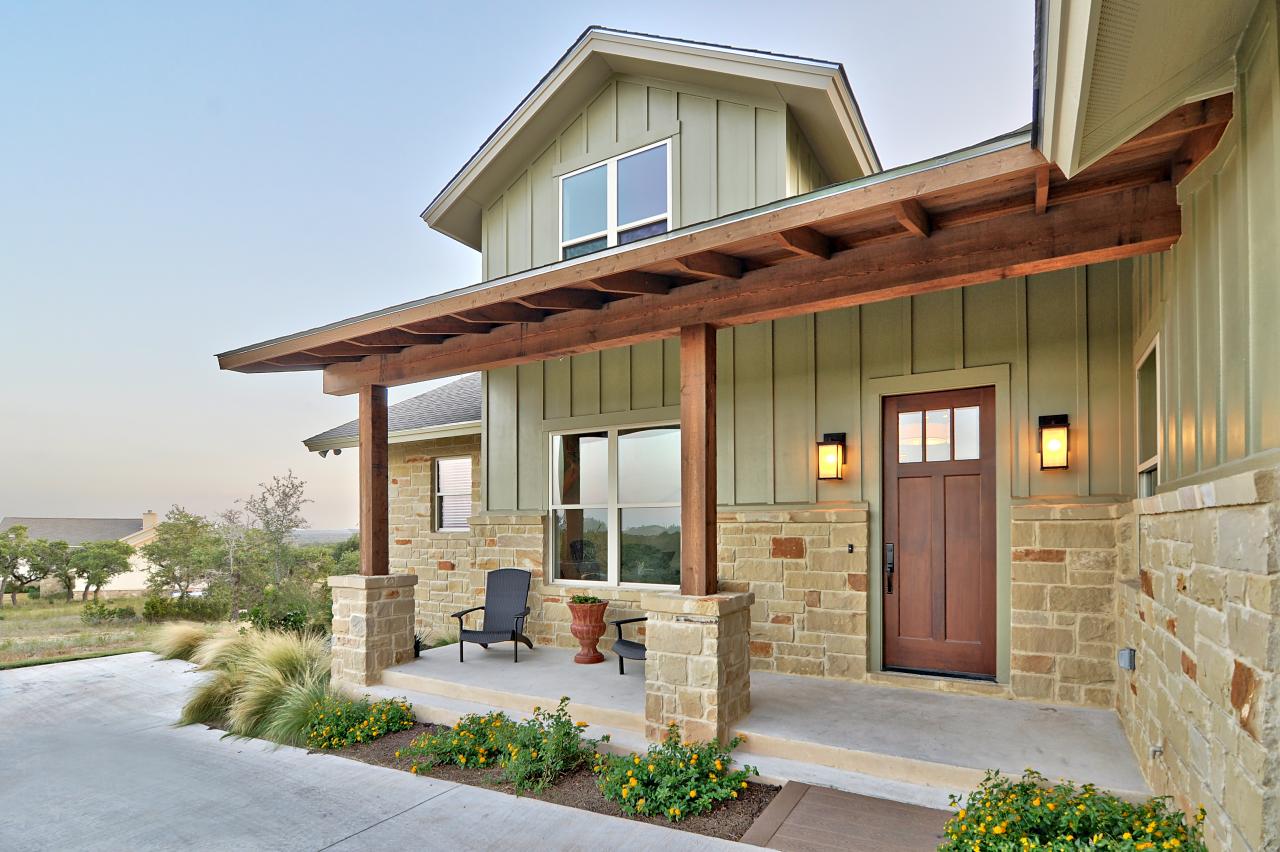
To accurately identify the best exterior painting for cedar, one must first define the architectural objective. Cedar is rarely “painted” in the traditional sense; it is more often stained or “solid-coated.” A primary oversimplification in the industry is the assumption that a high-quality acrylic paint is the superior choice for all wood surfaces. While acrylics offer excellent UV resistance, their film-forming nature can be a liability on cedar. Because cedar is exceptionally porous, it can store significant amounts of moisture. If a paint film is too “tight,” that moisture will be pushed to the surface by solar heat, resulting in massive peeling as the vapor pressure exceeds the bond strength of the paint.
Multi-perspective evaluation involves looking at the “Solids Content” and the “Carrier Type.” For cedar, the “best” option is often a high-solids alkyd-acrylic hybrid. These systems offer the deep penetration of an oil-based resin—crucial for neutralizing cedar’s natural oils—while providing the flexible, UV-resistant shell of an acrylic. Common misunderstandings often arise regarding “mill glaze.” New cedar siding is often planed at high speeds, which creates a compressed, shiny layer of fibers that is virtually impenetrable. Without mechanical abrasion (sanding) or chemical “opening,” even the most expensive coating will sit on the surface and fail within eighteen months.
Furthermore, the “best” choice is dictated by the wood’s age and previous treatment. “New-growth” cedar, which has fewer growth rings and higher sapwood content, behaves differently than “old-growth” timber. The former is more prone to warping and requires a more flexible, breathable finish, whereas the latter can support heavier, more traditional oil systems. A definitive cedar plan must therefore account for the specific grade of the timber and the localized moisture vapor drive of the building.
Deep Contextual Background: From Raw Lignin to Hybrid Polymers
Best exterior painting for cedar historically, cedar was left untreated. In the Pacific Northwest and New England, the “silver-gray” patina was considered a mark of authenticity. This graying is actually the death of the surface wood cells; while the core of the cedar remains structurally sound due to its natural thujaplicins (antifungal agents), the surface becomes brittle. In the early 20th century, the introduction of “white lead” and linseed oil provided the first true barriers, though they frequently “alligatored” as the cedar expanded.
The 1970s saw the rise of semi-transparent oil stains, which used petroleum-based carriers to drive pigments deep into the wood. These were effective but lacked the durability to withstand modern UV intensity. The 21st-century revolution in cedar treatment is the “Waterborne Alkyd.” By emulsifying oil-based resins in water, chemists have created coatings that penetrate the wood’s cellular structure but dry quickly and remain flexible. This systemic evolution allows us to achieve the aesthetic of a traditional oil with the environmental compliance and longevity of a synthetic polymer.
Conceptual Frameworks and Mental Models Best Exterior Painting For Cedar
Understanding cedar finishing requires three core mental models:
1. The Cellular Sponge Model
Visualize cedar as a bundle of microscopic straws. If these straws are filled with water, they cannot accept oil. If they are capped with a plastic film (paint), and then heated, the air inside will expand and burst the cap. The “best” finishes are those that line the walls of the straws without plugging the ends, allowing the wood to “breathe” moisture vapor.
2. The Tannin Reservoir
Cedar contains high concentrations of water-soluble acids. Think of these as a “stain” waiting to happen. If you use a water-based primer without a tannin-blocking resin, the water in the paint will pull the acids to the surface, creating yellow or brown streaks. The model here is “Isolation”—you must chemically lock the tannins in the wood before applying the topcoat.
3. The Sacrificial Surface
In this framework, the finish is a sacrificial layer that absorbs UV energy so the lignin doesn’t have to. As the finish fades, it is performing its duty. The goal is to select a finish that “erodes” rather than “peels,” making future maintenance a simple wash-and-recoat rather than a labor-intensive scrape-and-sand.
Key Categories of Cedar Finishes and Trade-offs
Decision Logic: The Species and Grade Match
-
Clear Heart Cedar: Use a semi-transparent oil. The wood is too beautiful and stable to hide.
-
Knotty/Select Cedar: Use a semi-solid or solid stain. Knots are high-stress points where semi-transparent finishes often fail or look blotchy.
-
Weathered/Restored Cedar: Use a solid color stain. Once cedar has grayed significantly, the wood fibers are too damaged to hold a transparent finish evenly.
Detailed Real-World Scenarios Best Exterior Painting For Cedar
The High-UV Coastal Retreat
A cedar-clad home on a south-facing cliff with constant salt spray.
-
Constraint: Extreme UV and moisture cycling.
-
Decision: A “Two-Coat” system: One coat of long-oil alkyd primer (tannin blocker) followed by two coats of high-performance acrylic solid stain.
-
Rationale: The oil primer stabilizes the tannins, while the acrylic topcoat provides the “stretch” needed for high thermal swings.
The Modern Forest Minimalist
A vertical-grain cedar home in a shaded, damp woodland.
-
Constraint: Low airflow and high risk of mold/mildew.
-
Decision: A semi-transparent penetrating oil with a heavy-duty zinc-borate mildewcide package.
-
Risk: A solid film-forming paint would trap moisture in the shade, leading to wood rot behind the paint.
Planning, Cost, and Resource Dynamics
The economic reality of cedar maintenance is that labor is 80% of the cost. Skipping a $100 gallon of premium stain can lead to $5,000 in premature labor costs.
Lifecycle Value Table
-
Low-Grade Retail Stain: $ Low CAPEX | 12-month life | High long-term cost.
-
Professional Semi-Transparent: $ Med CAPEX | 3-year life | Sustainable cost.
-
Premium Solid System: $ High CAPEX | 8-year life | Best value if color change is acceptable.
Tools, Strategies, and Support Systems Best Exterior Painting For Cedar
-
Moisture Meters: Cedar must be below 15% moisture content before coating. Applying stain to wet cedar is the #1 cause of failure.
-
Oxalic Acid (Wood Brightener): After cleaning, cedar’s pH is often too high. Oxalic acid “brightens” the wood and opens the pores for better stain uptake.
-
Natural China Bristle Brushes: Essential for oil-based primers; they hold more product and allow for “back-brushing” into the grain.
-
Airless Sprayers (with Back-brushing): Spraying is fine for speed, but a brush must follow to break the surface tension and force the stain into the cells.
-
80-Grit Orbital Sanding: The “Goldilocks” grit for cedar—rough enough to allow penetration, smooth enough to look professional.
-
Stainless Steel Fasteners: Standard nails will react with cedar’s tannins, causing permanent black “bleeding” streaks that no paint can hide.
Risk Landscape and Failure Modes
-
Tannin Bleed: This is the “boogeyman” of cedar. If a water-based coating is applied without an oil-based or high-performance synthetic primer, the extractives will bleed through indefinitely.
-
Extractive Bleeding vs. Iron Staining: Iron staining (black spots) is a chemical reaction between iron and tannins; extractive bleeding (brown/yellow) is just the tannins themselves. They require different treatments.
-
Mill Glaze: Often invisible, this compressed layer of wood fibers acts like a raincoat, causing stain to pool and peel.
Governance, Maintenance, and Long-Term Adaptation Best Exterior Painting For Cedar
Cedar is not a “set it and forget it” material. It requires a maintenance metabolism.
Layered Maintenance Checklist:
-
Annual: Inspect the “south and west” sides of the building. These face the most UV and will fail first.
-
Annual: Wash with a mild detergent to remove pollen and spores which serve as food for mildew.
-
3-Year Cycle: Perform the “Water Bead Test.” If water no longer beads, it is time for a maintenance “refresh” coat.
Measurement, Tracking, and Evaluation
-
Leading Indicators: Substrate moisture readings; ambient humidity during application (ideally < 50%).
-
Lagging Indicators: Depth of color fade; presence of “alligatoring” in the film.
-
Documentation: Keep a physical sample of the wood with the batch number of the stain recorded. Color-matching cedar stains years later is notoriously difficult due to the wood’s natural darkening.
Common Misconceptions and Technical Corrections Best Exterior Painting For Cedar
-
Myth: “You should let new cedar ‘weather’ for six months before staining.”
-
Correction: UV damage starts in days. New cedar should be cleaned, sanded, and stained as soon as it reaches 12% moisture.
-
-
Myth: “Two coats are always better than one.”
-
Correction: With penetrating stains, a second coat that doesn’t soak in will dry as a shiny, tacky film that will eventually peel.
-
-
Myth: “Solid stain is just thin paint.”
-
Correction: Solid stains are formulated with a lower PVC (Pigment Volume Concentration) to allow for better vapor transmission than paint.
-
-
Myth: “Pressure washing is the best way to clean cedar.”
-
Correction: High pressure shreds cedar’s soft fibers. Chemical cleaning and soft-washing are the only professional standards.
-
Ethical and Practical Considerations
The use of Western Red Cedar is an investment in a renewable but slow-growing resource. Proper finishing is an act of sustainability; by extending the life of the siding, we reduce the demand for premature replacement and the harvesting of old-growth forests. From a practical standpoint, the “best” finish is the one that the homeowner is willing to maintain. If a homeowner cannot commit to a 3-year refresh, a semi-transparent oil is a poor choice, regardless of its beauty.
Conclusion Best Exterior Painting For Cedar
Cedar is a high-performance material that demands a high-performance strategy—one that respects its porosity, neutralizes its tannins, and allows for its inevitable movement. Whether choosing the deep saturation of a traditional oil or the resilient shell of a modern hybrid, the definitive factor is preparation. A well-maintained cedar home is a masterpiece of architectural endurance, standing as a testament to the balance between man-made polymers and the raw, unyielding strength of the natural world.