The Science of Mineral Preservation: A Comprehensive Study of Masonry Coatings
Best masonry coating options masonry, by its very nature, is a paradox of strength and vulnerability. While stone, brick, and concrete are synonymous with permanence, their porous structures are subject to a relentless array of environmental stressors that begin the process of degradation the moment they are exposed to the elements. The management of moisture, the mitigation of chemical efflorescence, and the stabilization of thermal movement are the primary challenges facing any professional tasked with preserving a masonry envelope. In this context, selecting a protective layer is not an aesthetic choice; it is a critical intervention in the building’s lifecycle.
The historical approach to masonry protection often involved “breathable” lime washes or linseed oil treatments, which provided a degree of sacrificial protection. However, the advent of modern industrial pollutants and the intensification of freeze-thaw cycles have necessitated a shift toward more advanced polymer and mineral-based systems. These contemporary coatings must act as a semi-permeable membrane—dense enough to block liquid water and UV radiation, yet porous enough at the molecular level to allow water vapor to escape from the interior of the substrate. Failing to strike this balance is the primary cause of catastrophic coating failure and structural spalling.
To evaluate the landscape of protective treatments, one must move beyond the superficial metrics of color and sheen. A rigorous editorial analysis requires a deep dive into the chemical bond types, the physics of vapor transmission, and the long-term impact of various resins on the alkalinity of the substrate. This article serves as a definitive technical reference for understanding how different coating systems interact with masonry over decades, providing a roadmap for those who view architectural preservation through a lens of analytical precision rather than trend-based marketing.
Best Masonry Coating Options: A Multi-Dimensional Analysis
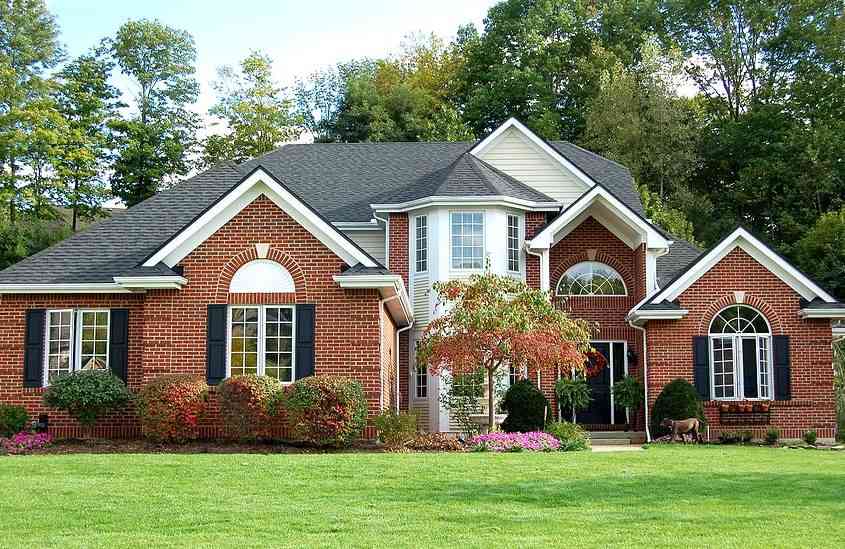
The search for the best masonry coating options is frequently undermined by a fundamental misunderstanding of masonry physics. Most users equate “protection” with “sealing,” yet sealing a porous masonry wall can be the quickest path to its destruction. Masonry is a hydrologic battery; it absorbs and releases moisture constantly. If a coating creates a total vapor barrier, moisture trapped within the wall will exert hydrostatic pressure, leading to “blown” brick faces or delaminated concrete.
Professional-grade evaluations must prioritize “Permeance” (measured in perms). A high-perm coating allows the substrate to “breathe,” which is essential for the longevity of both the coating and the wall itself. When we compare options, we are looking for the intersection of durability and vapor permeability. Oversimplification often leads to the use of standard exterior latex paints on masonry—a mistake that results in “alligatoring” and peeling within a few seasons because the paint cannot handle the high pH (alkalinity) or the moisture movement inherent in stone and concrete.
Furthermore, the “best” option is always site-specific. A system that performs flawlessly on a dry-climate concrete warehouse might fail in months on a coastal historic brick residence. The analysis must account for the “pore structure” of the specific masonry—ranging from the tight, non-absorptive surface of glazed brick to the highly thirsty nature of old-growth limestone or CMU (Concrete Masonry Unit) blocks.
The Historical Evolution of Masonry Protection
Best masonry coating options for centuries, masonry was protected by sacrificial layers. Limewash (calcium hydroxide) was the global standard; it was naturally antimicrobial, highly breathable, and chemically compatible with the mortar joints. Its primary drawback was its need for frequent reapplication. As we moved into the industrial era, the need for more robust protection led to the development of cementitious paints, which added a layer of rigid cement over the surface. While durable, these often cracked under thermal stress.
The mid-20th century saw the introduction of acrylic and vinyl resins. These offered better color retention and easier application but introduced the “vapor trap” problem. Today’s state-of-the-art involves hybridization: acrylic-silicone blends that offer the flexibility of polymers with the breathability of minerals. We also see the rise of “nanosilicates,” which don’t sit on the surface at all but penetrate into the masonry to create a chemical bond at the molecular level, effectively turning the top few millimeters of the masonry into a hydrophobic zone without changing its appearance.
Conceptual Frameworks for Substrate Assessment Best Masonry Coating Options
Before selecting a coating, practitioners should apply these mental models to the structure in question.
The “Alkalinity Clock” Framework
Fresh masonry has a high pH (often above 12). Over time, carbonation lowers this pH. Applying a standard coating to “hot” (high pH) masonry leads to saponification—the chemical breakdown of the resin. This framework dictates the waiting period or the specific need for alkali-resistant primers.
The “Hydrostatic Pressure” Model
This model treats the wall as a pressurized vessel. It asks: Where is the water coming from? If water is entering from the roof or the ground (capillary rise), the coating must have a high enough perm rating to prevent the pressure from pushing the paint off the wall.
The “Thermal Expansion Coefficient” Compatibility
Masonry and coatings expand at different rates. If a coating is too rigid (like some epoxies), it will crack when the brick expands in the summer. The framework requires matching the “elongation” properties of the coating to the expected movement of the substrate.
Taxonomy of Modern Masonry Coatings
A technical comparison of the best masonry coating options reveals distinct chemical categories, each with specific trade-offs.
Decision Logic: The Porosity Variable
The decision to use a penetrating sealer (Silane/Siloxane) versus a film-forming coating (Elastomeric/Acrylic) hinges on whether the goal is “aesthetic transformation” or “unseen protection.” If the masonry is already painted, a film-forming acrylic is usually the only path. If the masonry is virgin, a penetrating mineral system is almost always superior for long-term health.
Detailed Real-World Scenarios Best Masonry Coating Options
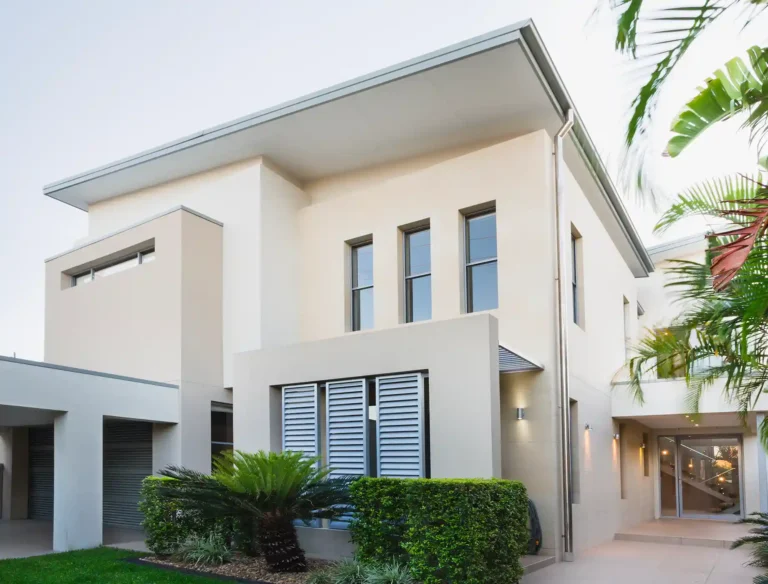
The Multi-Story Stucco Facade
Stucco is prone to “spider-web” cracking. A standard paint will crack along these lines, allowing water in. The best plan involves a high-build elastomeric coating. The “failure mode” here is often “pinholing,” where tiny bubbles form in the thick coating, allowing moisture to enter and get trapped.
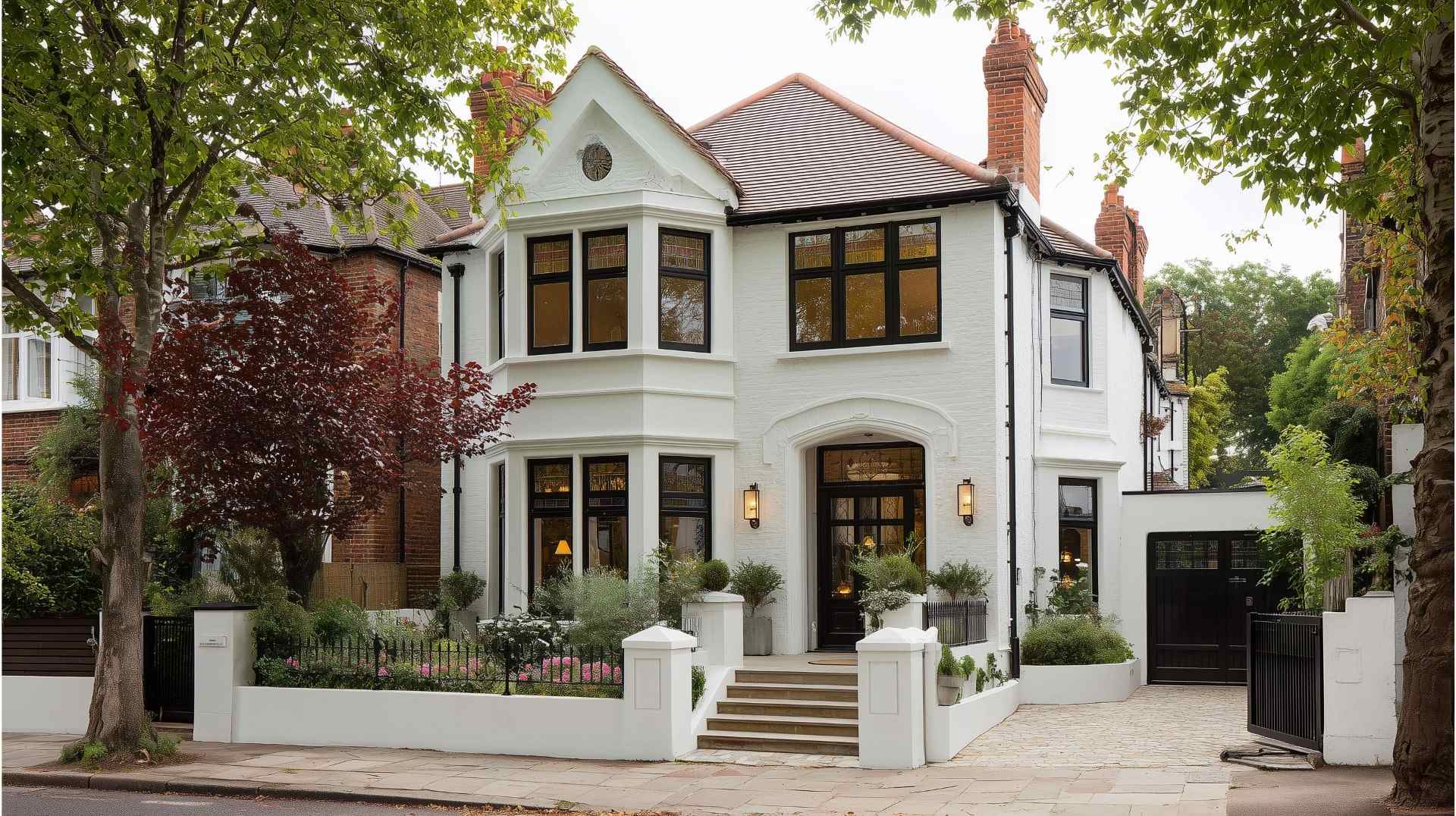
The Historic Red Brick Restoration
Red brick is soft and incredibly porous. Using a standard latex “sealer” will trap moisture and cause the brick face to “spall” (flake off) during winter. The solution is a mineral silicate paint that petrifies within the brick, allowing 100% vapor transmission.
The Concrete Parking Structure
Here, the primary threat is “chloride ion” penetration from road salts, which corrodes the rebar inside. The plan requires a silane-based sealer that penetrates 2-3mm deep to create a hydrophobic barrier, preventing the salt-water from ever reaching the steel.
Planning, Cost, and Resource Dynamics
The economics of masonry coatings are dominated by preparation. Because masonry is often textured or uneven, it requires more material and more labor than smooth wood or siding.
Range-Based Resource Table
Tools, Strategies, and Support Systems
The success of a masonry system is determined by the “bond strength,” which requires specific tools and protocols.
-
pH Testing Strips: Essential for determining if a masonry surface is ready for a coating or if it needs an acid wash to neutralize alkalinity.
-
Rilem Tubes: Used to measure the water absorption rate of a wall before and after coating to verify performance.
-
High-Pressure Washing (with caution): Used to remove efflorescence (salt deposits), but must be done carefully to avoid injecting water deep into the substrate.
-
Airless Spraying (Heavy Duty): Masonry coatings are often much thicker than house paint; they require specialized pumps that can handle “high solids” content.
-
Back-Rolling: Critical for “pushing” the coating into the pits and pores of concrete or brick.
Risk Landscape and Failure Modes Best Masonry Coating Options
-
Efflorescence Pressure: Salts inside the masonry move toward the surface with water. If the coating isn’t breathable, the salt crystals grow behind the paint film, eventually pushing it off the wall in a process called “sub-florescence.”
-
Inter-coat Delamination: Often caused by applying a “water-based” system over an old “oil-based” or “silicone” treatment without proper mechanical abrasion.
-
Color Fading (Inorganic vs Organic): Masonry is often in direct sun. Cheap organic pigments will fade rapidly; high-end mineral systems use inorganic oxides that are UV-stable for decades.
Governance, Maintenance, and Long-Term Adaptation
A masonry coating is a “living” system that requires oversight to avoid the “cascade of failure.”
Layered Maintenance Checklist Best Masonry Coating Options
-
Annual: Inspection of “control joints” and caulking. If the caulk fails, water gets behind the coating, leading to localized peeling.
-
Bi-Annual: Low-pressure wash to remove atmospheric acids and salts.
-
Threshold-Based Renewal: Instead of waiting for peeling, re-apply a “maintenance coat” when the color begins to chalk or the water no longer “beads” on the surface (for penetrants).
Measurement, Tracking, and Evaluation Best Masonry Coating Options
How do you document the “health” of a masonry coating?
-
Adhesion Testing (ASTM D3359): A “cross-hatch” test to ensure the bond strength is meeting technical requirements.
-
Vapor Transmission Log: Using localized sensors to ensure internal wall humidity isn’t rising over time.
-
Visual Delta Documentation: Taking high-resolution photos of the same “test patch” every year to track pigment degradation and surface erosion.
Common Misconceptions and Oversimplifications
-
Myth: “The thicker the paint, the better it protects.”
-
Correction: In masonry, thickness can trap moisture. Often, a thin, penetrating mineral system is far superior to a thick, “waterproof” membrane.
-
-
Myth: “You can paint masonry as soon as it’s built.”
-
Correction: New concrete or mortar takes 28 days to cure to a stable pH. Painting early almost always leads to chemical failure.
-
-
Myth: “Sealants make brick maintenance-free.”
-
Correction: Sealants are maintenance-intensive. Once you coat a brick wall, you have committed to a lifelong cycle of re-coating.
-
Synthesis and Editorial Judgment Best Masonry Coating Options
The evaluation of the best masonry coating options is ultimately a study in building longevity. There is a profound difference between “hiding” a masonry wall behind a layer of paint and “protecting” it with a coordinated mineral system. The former is a short-term aesthetic fix; the latter is a long-term capital preservation strategy.
Authentic mastery of this topic requires an admission that masonry is a volatile, breathing material. The most successful intervention is often the one that interferes the least with the substrate’s natural hydrologic cycle. When a coating is necessary—whether for water ingress prevention or architectural modernization—the selection should be biased toward mineral compatibility and vapor permeance. By prioritizing the structural health of the wall over the immediate visual impact, the practitioner ensures that the “permanent” nature of masonry remains a reality, rather than a historical footnote.