The Mechanics of Adhesion: A Comprehensive Analysis of Vinyl Siding Refinishing
Compare vinyl siding paints the architectural evolution of the North American suburbs in the late 20th century was largely defined by the ubiquity of polyvinyl chloride (PVC) cladding. Marketed as a “maintenance-free” solution, vinyl siding was designed to hold color throughout its profile, ostensibly eliminating the need for periodic painting. However, as these installations age, the material inevitably faces the degradative effects of ultraviolet (UV) radiation and atmospheric oxidation. The result is a chalky, faded surface that loses its original luster, prompting property owners to choose between expensive full-scale replacement or a more nuanced technical intervention: specialized coating.
Painting vinyl is not merely a decorative exercise; it is an engineering challenge that pits modern polymer chemistry against the physical limitations of a thermoplastic substrate. Vinyl siding is characterized by a high coefficient of thermal expansion, meaning it expands and contracts significantly with temperature fluctuations. Standard exterior paints, designed for more stable surfaces like wood or masonry, often lack the flexibility required to accommodate this movement. This leads to premature delamination, buckling, and the most notorious failure mode in the industry—thermal warping—where the siding absorbs more heat than it was designed to handle, resulting in permanent deformation.
To navigate the market effectively, one must look past the “lifetime warranty” labels and analyze the molecular structure of the resins involved. The shift toward vinyl-safe color technology has revolutionized the field, allowing for a broader palette that previously would have compromised the structural integrity of the cladding. This editorial analysis serves as a definitive reference for those seeking to understand the chemical, economic, and logistical realities of revitalizing a vinyl exterior, focusing on the long-term viability of different coating systems in varied climates.
compare vinyl siding paints
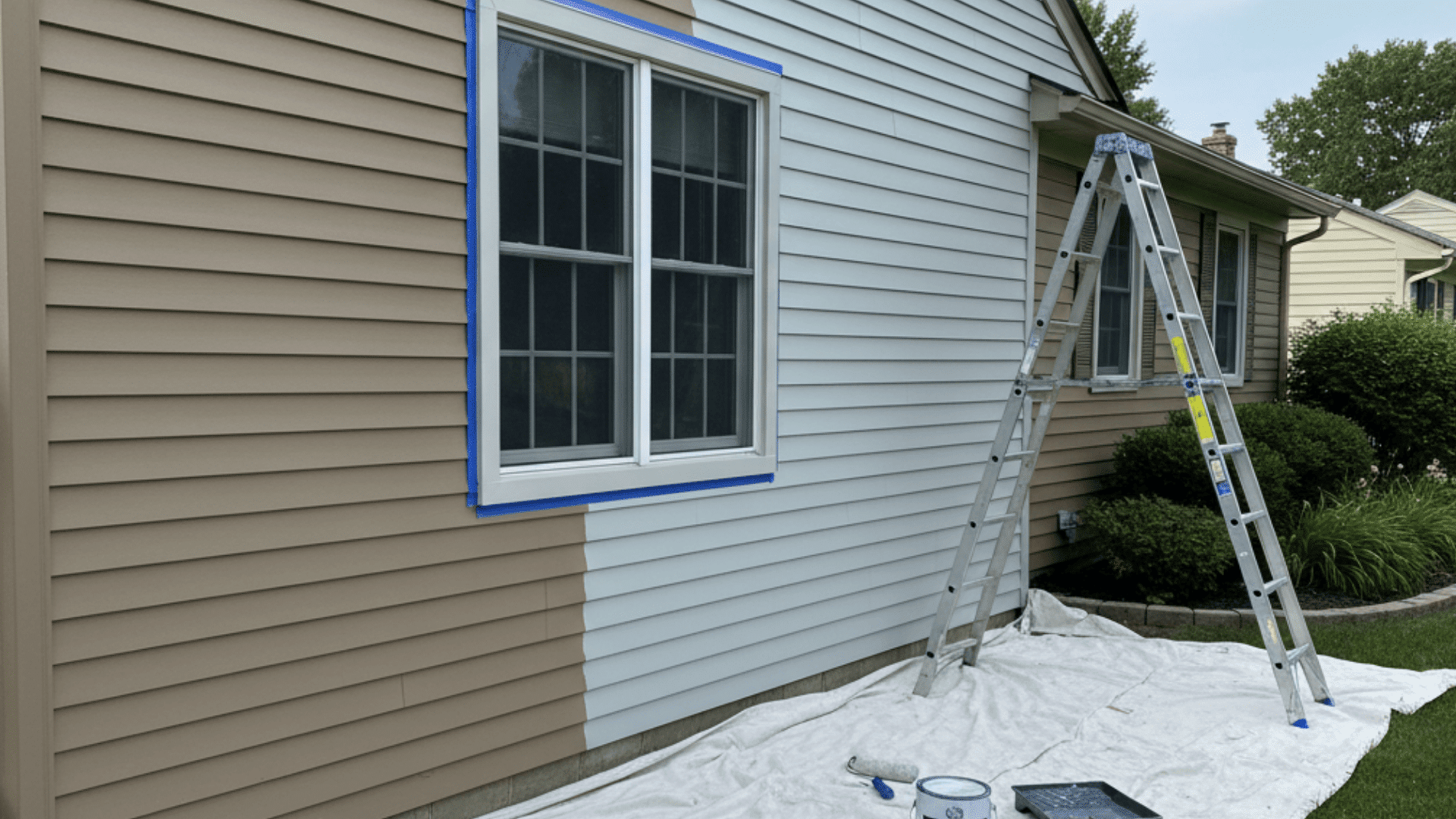
When property owners seek to compare vinyl siding paints, they are essentially evaluating the interaction between a coating’s “solar reflectance index” (SRI) and its “inter-coat adhesion.” A primary oversimplification in the industry is the belief that any high-quality 100% acrylic paint will suffice. While acrylics offer the necessary flexibility, they do not inherently solve the problem of heat absorption. The “best” options in this category are those specifically formulated with “vinyl-safe” pigments—inorganic particles that reflect infrared light rather than absorbing it.
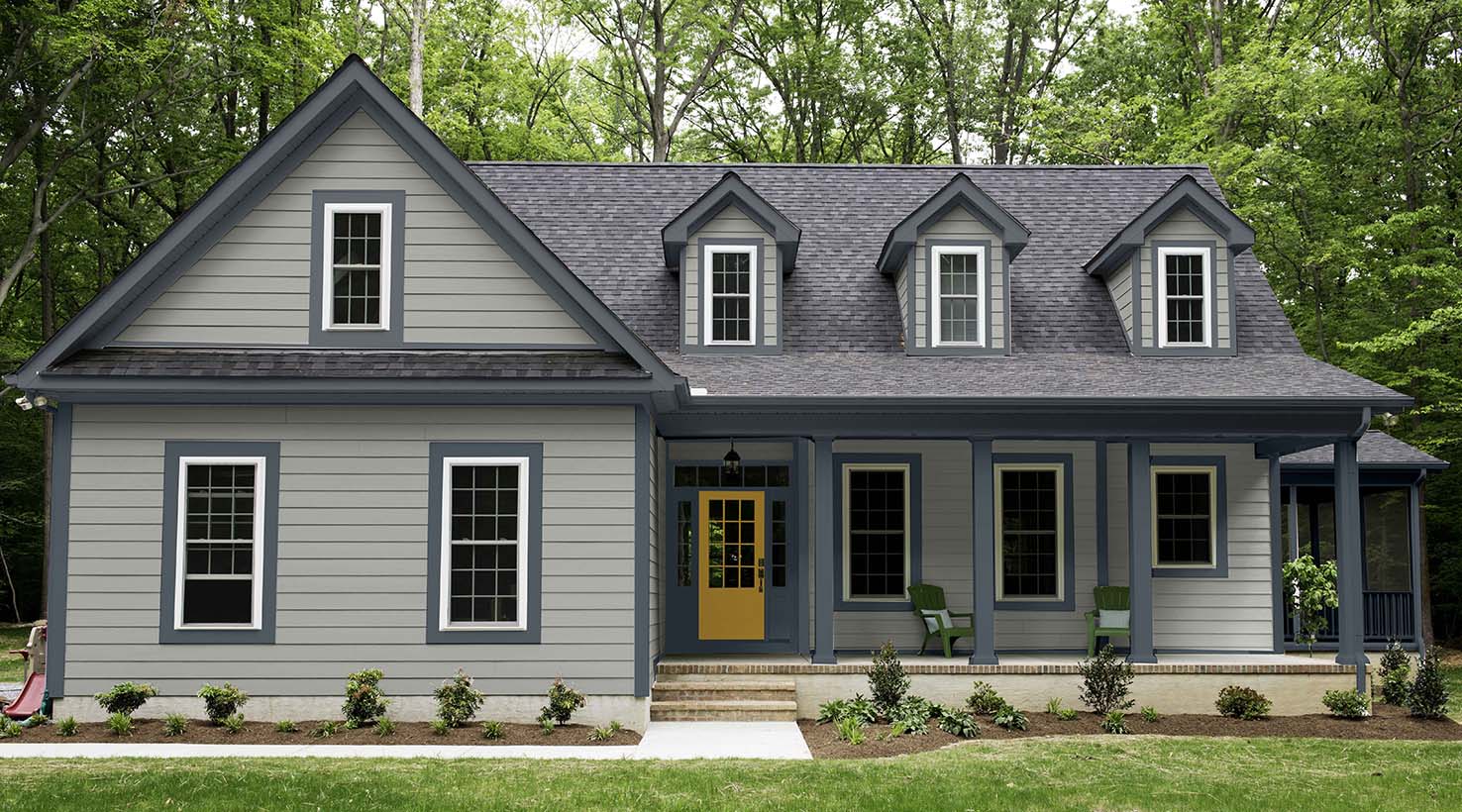
The risks of miscalculation are high. If one compares a standard premium exterior paint with a dedicated vinyl-safe system, the differences may be invisible upon application but catastrophic during the first peak-summer heatwave. Dark colors are the most dangerous; traditionally, painting vinyl a color darker than its original shade was forbidden, as the increased heat absorption would melt the PVC. Modern comparisons now focus on “Total Solar Reflectance” (TSR), where specialized formulations allow for dark grays and blues to be applied without the risk of thermal deformation.
Furthermore, the comparison must account for “open time” and “rheology.” Vinyl is non-porous; unlike wood, it does not “soak up” the paint. This means the coating must have exceptional “wet-out” characteristics to ensure a uniform film without sagging or brush marks. A sophisticated comparison will weigh the benefits of a self-priming one-coat system against a more traditional two-coat approach, looking specifically at the thickness (mil) of the dry film and how that thickness impacts the siding’s ability to move within its mounting tracks.
Deep Contextual Background: The Thermoplastic Challenge
Compare vinyl siding paints vinyl siding emerged in the 1950s as a competitor to aluminum siding, but it didn’t achieve market dominance until the polymer chemistry was refined to include UV stabilizers and impact modifiers. For decades, the industry consensus was that vinyl could not be painted. Early attempts often used oil-based paints, which were too rigid; as the vinyl expanded in the sun, the brittle oil film would shatter and flake.
By the 1990s, the development of high-performance acrylic dispersions provided a solution for flexibility. However, the “heat trap” remained. Vinyl is engineered to remain stable up to its “heat deflection temperature” (HDT), which is typically around 160°F to 165°F. Standard black or dark brown pigments can easily push a surface temperature above this threshold on a sunny day with low wind.
The modern era of vinyl refinishing was born from the “cool roof” movement. Scientists realized that by substituting carbon black pigments with reflective alternatives like chromium green-black hematite, they could achieve dark aesthetics while maintaining low surface temperatures. This technological leap has moved vinyl painting from a “temporary fix” to a “long-term authority asset” in home maintenance.
Conceptual Frameworks and Mental Models Compare Vinyl Siding Paints
To analyze these products professionally, one should utilize three primary mental models:
1. The Elasticity-Permeability Balance
Vinyl is an absolute vapor barrier. Unlike masonry, which needs to “breathe,” vinyl painting is solely about the external interface. The framework here focuses on “Elastic Recovery”—the ability of the paint to stretch 200% and return to its original shape without losing its bond.
2. The Solar Reflectance Logic
Think of the paint as a thermal mirror. The goal is not just to “look” a certain color, but to “behave” like a lighter color in the infrared spectrum. This framework dictates that the chemical composition of the pigment is more important than the resin quality when preventing warping.
3. The Mechanical vs. Chemical Bond
On a non-porous surface, the bond is primarily mechanical at a microscopic level. This model emphasizes the “surface profile.” A successful coating plan focuses on removing the “oxidation layer”—the white chalky powder that forms on old vinyl—which acts as a barrier to adhesion.
Key Categories of Coating Systems and Trade-offs
Decision Logic: System Selection
The choice between these categories depends on the “age-state” of the siding. Heavily oxidized siding requires an acrylic with high surfactant levels to “wet” the surface. New vinyl (rarely painted but sometimes color-changed) requires a system with high “blocking resistance” to prevent the siding panels from sticking together where they overlap.
Detailed Real-World Scenarios Compare Vinyl Siding Paints
The Faded 20-Year-Old “Clay” Siding
In this scenario, the siding is structurally sound but has turned a dull, chalky white.
-
Constraint: Extreme oxidation and localized “hail dings.”
-
Decision Point: High-pressure wash followed by a 100% acrylic vinyl-safe system in a “Satin” finish.
-
Failure Mode: Failure to remove the chalky residue leads to the paint “peeling in sheets” within 12 months.
Dark Transformation in the Sunbelt
A homeowner wants to change a light tan house to a modern “Iron Ore” dark gray in a high-UV environment like Florida.
-
Constraint: High ambient temperatures and constant solar load.
-
Decision Point: Specialized “Cool-Pigment” Vinyl-Safe coating.
-
Second-Order Effect: Using a non-safe paint here would likely result in the siding “smiling”—the bottom edge of the panels curving outward due to heat stress.
Planning, Cost, and Resource Dynamics
Refinishing vinyl is generally 30-40% cheaper than replacement, but the opportunity cost of a failed job is significant.
Indirect Costs and Variability Compare Vinyl Siding Paints
Climate is the primary variable. In regions with “Deep Freeze” cycles, the paint must remain flexible at -20°F. In the desert, it must resist “chalking” under extreme UV. The opportunity cost of selecting a mid-grade paint is the labor required to scrape and sand it off when it fails, which often costs more than the original installation.
Tools, Strategies, and Support Systems
-
Surfactant-Based Cleaners: Specialized soaps that break down the molecular bond of oxidation powder.
-
High-Volume Low-Pressure (HVLP) Sprayers: Preferred for a factory-like finish on the smooth surface of the vinyl.
-
TSR Documentation: A professional strategy where the Total Solar Reflectance of a custom-mixed color is verified against the siding manufacturer’s limits.
-
Overlap Spacers: Tools used to keep the siding panels slightly separated during drying to prevent “bridging” (paint gluing the panels together).
-
Thermal Imaging Cameras: Used to check surface temperature differences between old and new coatings during application.
-
Adhesion Test Kits: Standardized “X-cut” tests performed on a small section of the north wall to verify the cleaning process was successful.
Risk Landscape and Failure Modes Compare Vinyl Siding Paints
Painting vinyl introduces a specific taxonomy of compounding risks.
-
Thermal Deformation (Warping): The primary risk. Irreversible damage to the substrate caused by excessive heat absorption.
-
Bridging and Buckling: If the paint is applied too thick at the lap joints, it “glues” the panels together. Vinyl must slide. If it can’t slide, it will buckle and create a wavy appearance.
-
Surfactant Leaching: Occurs when paint is applied in high humidity; the ingredients that help the paint flow rise to the surface, creating sticky, brown streaks.
-
Inter-coat Delamination: Often caused by painting over “mill glaze” on newer siding or oxidation on older siding.
Governance, Maintenance, and Long-Term Adaptation
A definitive authority asset on this topic must address how the coating is managed after the initial application.
Layered Maintenance Checklist:
-
Quarterly: Visual inspection of the “lap joints” to ensure the siding is moving freely and the paint hasn’t cracked at the points of friction.
-
Annually: Low-pressure rinse to remove atmospheric pollutants that can act as catalysts for UV degradation.
-
5-Year Review: Re-assessment of the gloss levels. If the “Satin” finish has become “Matte,” it is a leading indicator that the UV protection is thinning.
-
Trigger for Re-coat: If “chalking” returns (test by rubbing a dark cloth on the siding), a single maintenance coat should be applied before the film fails.
Measurement, Tracking, and Evaluation Compare Vinyl Siding Paints
-
Leading Indicators: Surface temperature readings on the first 90°F day compared to the original siding color.
-
Lagging Indicators: Total years until the first sign of microscopic checking or cracking.
-
Documentation: Maintain a record of the specific “Vinyl-Safe” formula code, as standard color-matching at a hardware store may use non-safe pigments.
Common Misconceptions and Oversimplifications
-
Myth: “You can’t paint vinyl siding dark.”
-
Correction: You can, provided you use reflective “Cool Pigment” technology.
-
-
Myth: “Painting vinyl voids the warranty.”
-
Correction: While it may void the original color warranty, most modern siding manufacturers provide guidelines for painting, and many paint companies provide their own substrate-inclusive warranty.
-
-
Myth: “Two coats are always better than one.”
-
Correction: Not on vinyl. Excessively thick paint films increase the risk of bridging and reduce the flexibility of the panel.
-
-
Myth: “A primer is always required.”
-
Correction: Most high-end vinyl-safe paints are self-priming. A separate primer is only necessary if the siding is severely pitted or porous from age.
-
Ethical and Contextual Considerations Compare Vinyl Siding Paints
The decision to paint vinyl is also a sustainability choice. By extending the life of the siding by 15-20 years through high-performance coatings, property owners significantly reduce the lifecycle carbon footprint of the building envelope.
Conclusion
To effectively compare vinyl siding paints, one must transcend the aesthetic and embrace the chemical. The transition from a faded exterior to a revitalized home is a matter of managing thermal energy and polymer adhesion. The definitive choice is rarely the most popular brand, but rather the system that demonstrates the highest TSR values and the most robust elastic recovery.