The Legacy of Lead: A Comprehensive Framework for Mitigation and Abatement
How to manage lead paint removal the presence of lead-based paint in the built environment is a lingering vestige of industrial chemistry that predates modern toxicological awareness. Before the 1978 federal ban in the United States, lead was a standard additive, prized for its durability, moisture resistance, and pigment opacity. Today, that same chemical stability represents a significant challenge for property owners, municipal planners, and preservationists. The task of remediation is not a simple cleaning exercise; it is a high-stakes containment operation that necessitates a granular understanding of material science, public health law, and specialized engineering controls.
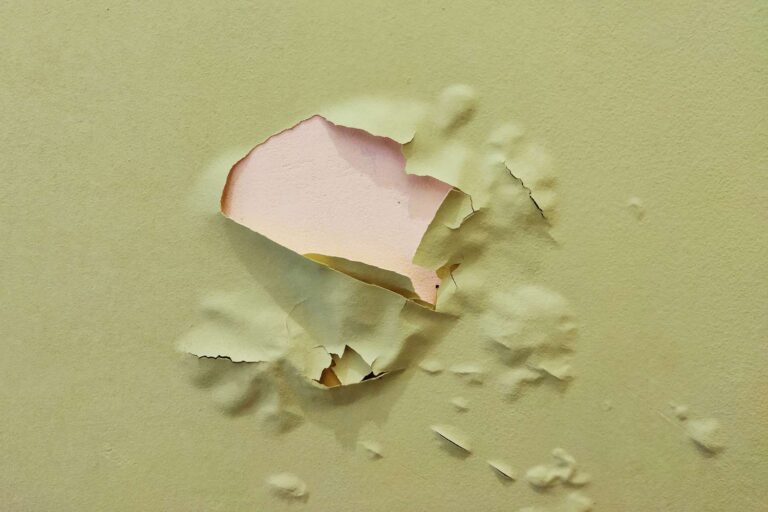
Managing lead hazards requires a departure from traditional renovation mindsets. In standard construction, dust is a nuisance; in lead abatement, dust is a potent neurotoxin requiring biohazard-level management. The complexity lies in the fact that lead paint is often buried beneath decades of benign latex or acrylic layers. These “hidden” hazards remain dormant until mechanical stress—sanding, scraping, or even the friction of a sash window—liberates microscopic particles into the air and soil. Consequently, any intervention must be preceded by a rigorous assessment of risk versus impact, balancing the desire for total removal against the potential for secondary contamination during the process itself.
This analysis serves as an editorial blueprint for navigating the technical and regulatory labyrinth of lead hazard reduction. It moves beyond superficial checklists to examine the systemic requirements for safe, long-term environmental stabilization. By deconstructing the methodologies of abatement, encapsulation, and enclosure, we can develop a sophisticated approach to environmental safety that protects both the integrity of the structure and the health of its occupants. The focus here is on the intellectual and practical rigor required to transform a contaminated site back into a safe, functional space.
Understanding “how to manage lead paint removal”
To grasp how to manage lead paint removal, one must first discard the notion that “removal” is always the optimal outcome. In the professional abatement industry, the focus is on “lead hazard control,” which recognizes that total elimination is sometimes less safe than controlled stabilization. The core challenge is the liberation of dust. Mechanical removal methods, if not managed with HEPA-filtered vacuum systems and wet-sanding techniques, can atomize lead particles so finely that they bypass standard filtration and linger in the indoor environment for months.
A common misunderstanding among stakeholders is the belief that lead paint is only dangerous if a child eats a paint chip. While pica (the ingestion of non-food items) is a critical pathway for poisoning, the primary vector in modern residential and commercial settings is lead-contaminated dust. This dust is invisible and highly mobile. When considering how to manage lead paint removal, a manager must prioritize the “containment envelope”—the physical and pressure-based barriers that prevent cross-contamination into non-work areas. If the removal process results in lead dust settling in the HVAC system or deep within porous flooring, the “remediation” has actually increased the risk profile of the building.
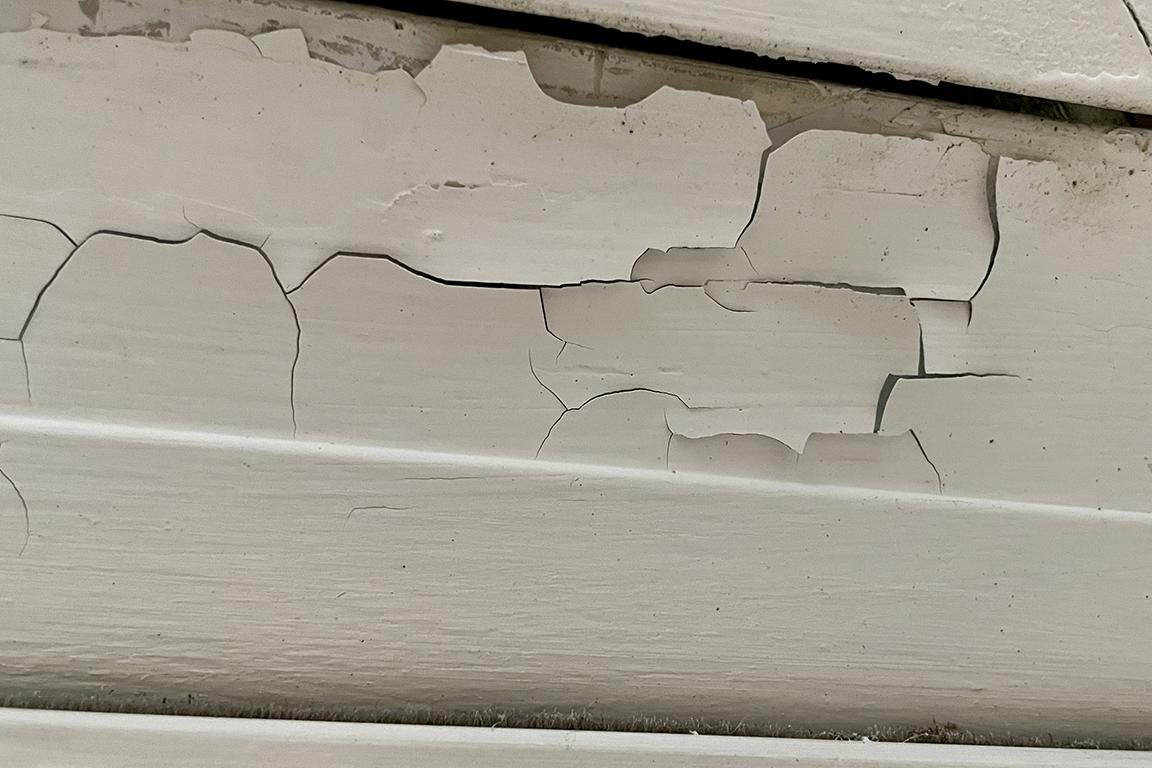
The risk of oversimplification often manifests in the DIY mindset. Professional management involves a “hierarchical approach” to risk. This starts with identifying whether the paint is currently “lead-based” (containing at least 0.5% lead by weight or 1.0 mg/cm²) and whether it is “deteriorated.” Management decisions are then dictated by the condition of the substrate. If the wood or plaster underneath is rotting, the lead paint cannot be stabilized; it must be removed or the entire component replaced. Understanding these nuances is the difference between a successful environmental cleanup and a catastrophic liability.
Deep Contextual Background: The Evolution of Lead as a Structural Standard
How to manage lead paint removal the history of lead in paint is a study in industrial utility vs. biological cost. White lead (lead carbonate) was used for centuries because it accelerated the drying process and provided a flexible, washable surface. In the early 20th century, marketing campaigns by companies like National Lead (The Dutch Boy) positioned lead paint as the hallmark of a high-quality home. Even as early European medical journals began linking lead exposure to developmental delays and neurological failure, American industrial interests resisted regulation until the late 1970s.
This historical context is vital because it determines the “layering” of risk. In a home built in 1920, the lead-based layers are likely the deepest, closest to the wood or plaster. Modern renovations that “sand down to the original finish” are effectively mining a toxic historical deposit. The evolution of regulation—culminating in the EPA’s RRP (Renovation, Repair, and Painting) Rule—has shifted the burden of management from simple disposal to rigorous certification and documentation. We are now in a post-industrial phase where the built environment is essentially a massive, distributed storage site for lead, requiring a permanent state of vigilance and specialized management.
Conceptual Frameworks and Mental Models How To Manage Lead Paint Removal
Navigating lead mitigation requires specific cognitive frameworks to assess risk and choose interventions.
-
The Source-Pathway-Receiver Model: This model identifies the lead paint (Source), the dust or chips (Pathway), and the occupant (Receiver). Effective management must break the Pathway. If removal (source elimination) creates too many dangerous pathways, then “Source Shielding” (encapsulation) becomes the logically superior choice.
-
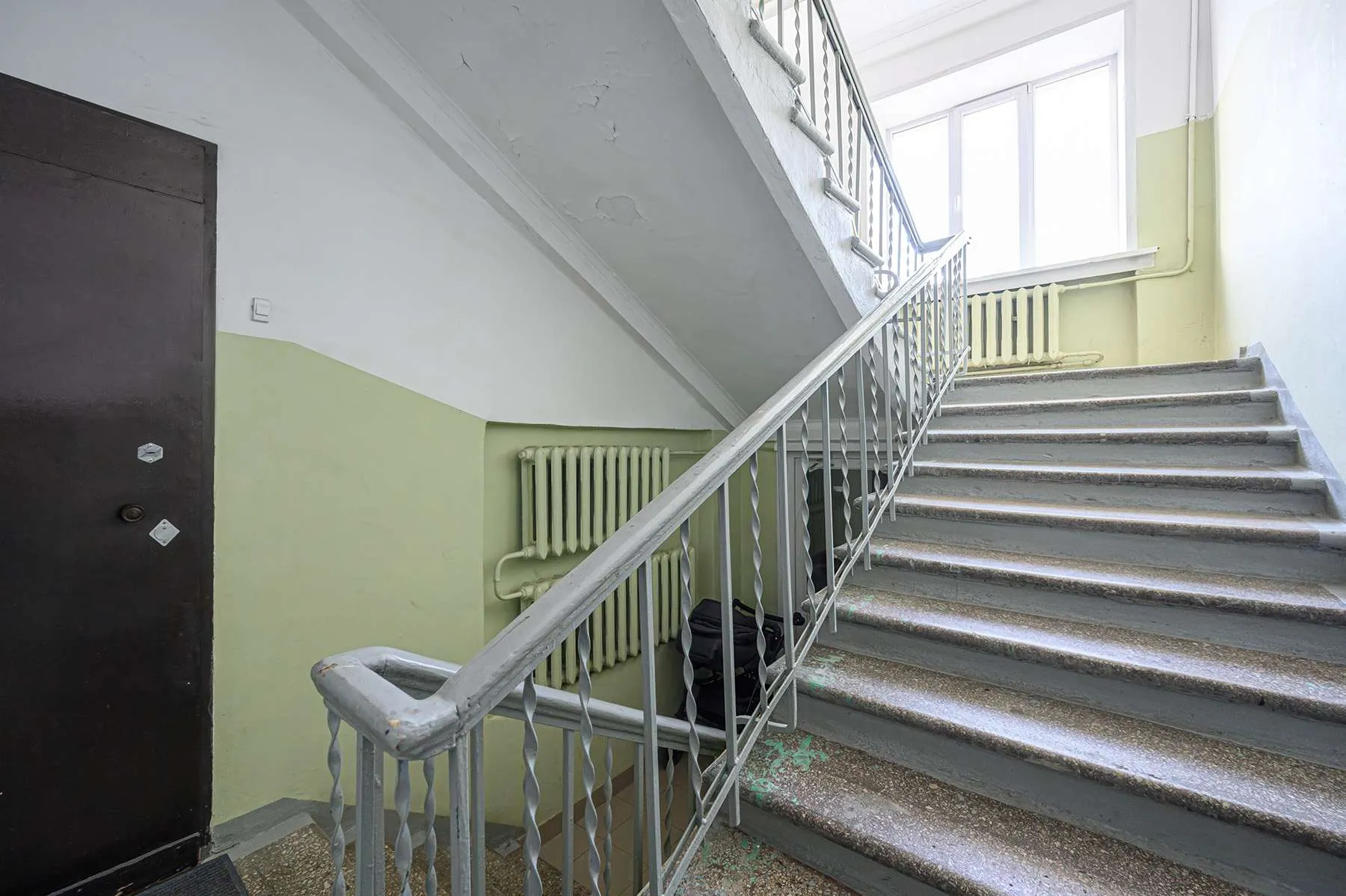
The Friction/Impact Zone Framework: Not all painted surfaces are equal. Management should focus on “friction surfaces” (window channels, door jambs) and “impact surfaces” (baseboards, stairs). These areas generate the most dust through daily use and are the highest priority for full abatement.
-
The Cost-of-Persistence vs. Cost-of-Extraction: This is an economic mental model. Abatement is expensive upfront but lowers long-term maintenance costs and liability. Managed stabilization is cheaper now but requires 30+ years of monitoring and eventual removal during future renovations.
-
The Containment Pressure Model: In high-stakes removals, a work area must be treated like a laboratory. Negative air pressure ensures that any breach in a physical barrier results in air flowing into the workspace, not out of it.
Key Categories of Lead Mitigation and Trade-offs
Choosing a path forward depends on the building’s use case, budget, and structural condition.
Decision Logic: If the architectural detail is significant (e.g., historic molding), chemical stripping or infrared heat removal is used. If the component is functional but standard (e.g., a window sash), replacement is almost always the superior choice for safety and efficiency.
Detailed Real-World Scenarios How To Manage Lead Paint Removal
The Historic Victorian Restoration
A property owner wants to restore original redwood siding that has 12 layers of paint, the bottom four being heavy lead carbonate.
-
The Failure Mode: Using a heat gun over 1,100°F, which vaporizes the lead into a toxic fume that cannot be captured by HEPA filters.
-
The Strategic Move: Utilizing a low-temperature infrared stripper or a caustic chemical paste that keeps the paint in a wet state, followed by HEPA-shrouded scraping.
The Multi-Family Rental Unit
A landlord must address lead hazards in a high-traffic hallway with chipped baseboards to remain compliant with local housing laws.
-
The Failure Mode: Simply “painting over” with standard latex paint, which will peel within 24 months.
-
The Strategic Move: Enclosing the baseboards with new wood or applying a high-solids elastomeric encapsulant that bonds chemically to the lead layer, coupled with a 5-year monitoring plan.
Planning, Cost, and Resource Dynamics
The economics of lead paint management are notoriously volatile, influenced by local labor rates, hazardous waste disposal fees, and the complexity of the “containment setup.”
Estimated Resource Allocation for Lead Management
Variability Factors: The “Opportunity Cost” of lead removal often involves the relocation of occupants. In commercial or rental settings, the loss of revenue during the “clearance” phase (waiting for lab results to confirm the area is safe) must be factored into the direct costs.
Tools, Strategies, and Engineering Controls How To Manage Lead Paint Removal
Modern lead management relies on “Defense in Depth.”
-
X-Ray Fluorescence (XRF) Analyzers: These handheld devices “see” through layers of paint to detect lead atoms in the substrate without damaging the surface.
-
HEPA (High-Efficiency Particulate Air) Vacuums: Standard shop-vacs are dangerous for lead; they vent fine lead dust back into the air. True HEPA vacuums are sealed and certified to capture 99.97% of particles down to 0.3 microns.
-
Wet-Sanding Systems: Water acts as a binding agent, keeping lead particles in a “slurry” state rather than a “dust” state.
-
Polyethylene Sheeting (6-mil): This is the industry standard for creating “critical barriers” over windows, vents, and doors.
-
D-Lead Cleaners: Specialized surfactants designed to lift heavy metal ions from porous surfaces where standard soaps fail.
-
Personal Protective Equipment (PPE): Specifically, N-100 or P-100 respirators, as N-95s are often insufficient for the fine particulate matter generated during abrasive removal.
Risk Landscape and Failure Modes
The most dangerous failure in lead management is The False Sense of Cleanliness. A room may look spotless, but “clearance testing” often reveals lead dust levels above the EPA’s revised thresholds (currently 10 for floors).
Compounding risks include:
-
Soil Contamination: Failing to use ground cloths during exterior work can permanently poison the soil around a foundation, creating a risk for gardeners and children.
-
Secondary Transfer: Workers wearing contaminated “street clothes” home, effectively poisoning their own vehicles and families.
-
Substrate Shock: Chemical strippers can raise the grain of old wood or destabilize plaster, leading to structural failures that require even more invasive (and toxic) repairs.
Governance, Maintenance, and Long-Term Adaptation How To Manage Lead Paint Removal
If a “manage-in-place” strategy (encapsulation or enclosure) is chosen, the project enters a phase of Environmental Governance. This is not a one-time fix but a commitment to the building’s lifecycle.
-
Annual Visual Inspections: Checking for water leaks that might cause “encapsulated” paint to bubble or peel.
-
Clearance Documentation: Keeping a permanent “Lead File” that includes the initial XRF report, the work logs of certified contractors, and the final dust-wipe laboratory results.
-
Tenant Notification: Federal law (Section 1018) requires the disclosure of known lead-based paint to buyers or renters. High-quality management means having the data to prove the lead is “contained.”
Layered Maintenance Checklist:
-
Confirm HEPA filters in vacuum systems are genuine and seated properly.
-
Verify negative air machines are venting to the exterior, not a crawlspace.
-
Perform “tack cloth” wipes on top of door frames and moldings after cleaning.
-
Check exterior soil for paint chips after any storm or high-wind event.
Measurement, Tracking, and Evaluation
The only way to verify the success of a lead management project is through empirical data.
Documentation Examples:
-
Dust Wipe Sampling: A technician uses a sterile, wetted wipe over a measured area (usually 12″ x 12″) and sends it to a lab for Inductively Coupled Plasma (ICP) analysis.
-
Soil Core Sampling: Measuring lead parts per million (ppm) at different depths around the perimeter.
-
Blood Lead Level (BLL) Monitoring: For workers or occupants in high-risk environments, BLL testing serves as the ultimate lagging indicator of exposure.
Common Misconceptions and Oversimplifications How To Manage Lead Paint Removal
-
Myth: “I can just use a mask from the hardware store.” Correction: Most dust masks do not filter fine lead particulate. A fitted P-100 respirator is the minimum requirement.
-
Myth: “Lead paint is only a problem in the inner city.” Correction: Any structure built before 1978, regardless of neighborhood or value, likely contains lead. High-end historic homes often have higher lead concentrations due to the use of “extra-durable” paints.
-
Myth: “Vinegar or bleach cleans lead dust.” Correction: Lead is a heavy metal, not a biological agent. It requires high-phosphate detergents or specialized lead-lifting surfactants to break the bond between the dust and the surface.
-
Myth: “If the paint isn’t peeling, it’s not a hazard.” Correction: Friction surfaces like windows generate lead dust every time they are opened, even if the paint looks intact.
-
Myth: “Modern paint will seal it forever.” Correction: Standard latex paint is porous and flexible. Over time, the heavy lead paint underneath can “telegraph” through, or moisture can cause both layers to delaminate as a single toxic sheet.
Synthesis and Structural Judgment
The definitive guide to how to manage lead paint removal concludes that successful remediation is an act of surgical precision rather than brute force. The goal is to stabilize the environment with the least amount of mechanical disturbance possible.
Ultimately, managing lead is a trade-off between the immediate high costs of professional abatement and the long-term, invisible costs of health impairment and liability. An editorial view of this challenge suggests that we should treat lead-based paint like asbestos: a manageable material when undisturbed, but a profound risk when approached with ignorance. The path forward requires technical literacy, environmental honesty, and a commitment to the “clearance” as the only true metric of success.